
Industry · Food & agriculture
Nature intelligence for food & agriculture
Agriculture is the largest driver of land-use change and a major source of nutrient pollution, and it depends directly on soil, water and pollinators.
Why nature matters here
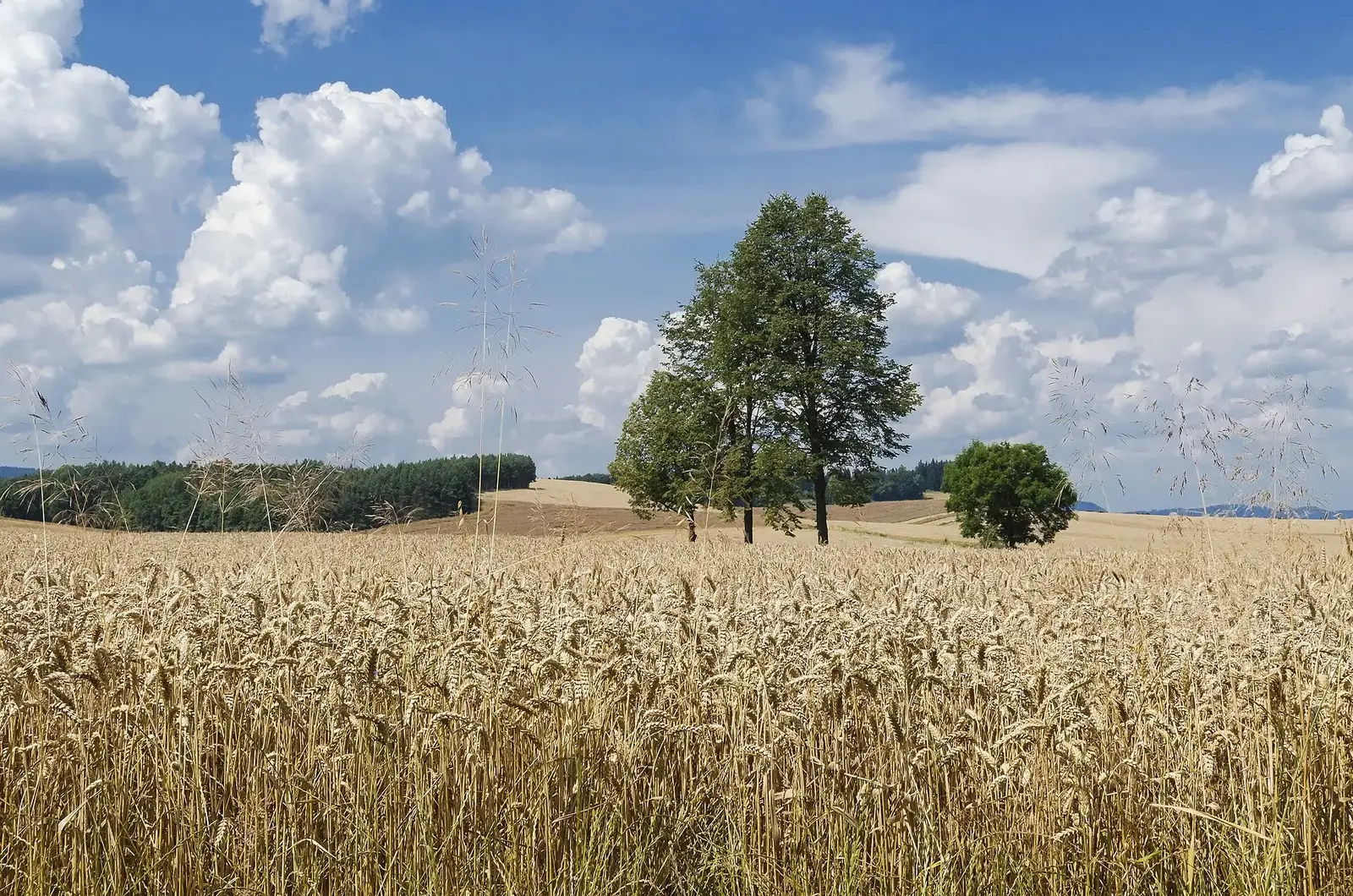
Food systems sit at the heart of the biodiversity crisis. IPBES identifies land-use change as the largest direct driver of biodiversity loss on land, with agricultural expansion its main cause. At the same time, crop yields depend on healthy soils, reliable water and pollination.
What the screening data says
Potentially material pressures for agriculture, forestry and fishing
In the SBTN Materiality Screening Tool v1 dataset, agriculture, forestry and fishing covers 13 ISIC groups and 45 ISIC group–production process pairs. The bars show how many of those pairs are rated material (direct operations) for each pressure category.
- Soil pollutants40/45
- Terrestrial ecosystem use39/45
- Water pollutants37/45
- Water use19/45
- GHG emissions16/45
- Freshwater ecosystem use16/45
- Biological alterations/interferences6/45
- Marine ecosystem use4/45
- Other resource use2/45
- Solid waste1/45
ISIC groups included (13)
Animal production · Aquaculture · Fishing · Gathering of non-wood forest products · Growing of non-perennial crops · Growing of perennial crops · Hunting, trapping and related service activities · Logging · Mixed farming · Plant propagation · Silviculture and other forestry activities · Support activities to agriculture and post-harvest crop activities · Support services to forestry
Sector-level potential impacts, not company-specific results. Explore the data in the free Materiality Screening Tool.
What the screening data says
Potentially material pressures for food and beverage manufacturing
In the SBTN Materiality Screening Tool v1 dataset, food and beverage manufacturing covers 9 ISIC groups and 10 ISIC group–production process pairs. The bars show how many of those pairs are rated material (direct operations) for each pressure category.
- GHG emissions10/10
- Soil pollutants10/10
- Solid waste10/10
- Water use10/10
- Water pollutants1/10
ISIC groups included (9)
Manufacture of beverages · Manufacture of dairy products · Manufacture of grain mill products, starches and starch products · Manufacture of other food products · Manufacture of prepared animal feeds · Manufacture of vegetable and animal oils and fats · Processing and preserving of fish, crustaceans and molluscs · Processing and preserving of fruit and vegetables · Processing and preserving of meat
Sector-level potential impacts, not company-specific results. Explore the data in the free Materiality Screening Tool.
Typical dependencies and impact hotspots
Illustrative, sector-level themes to explore in an assessment. Your actual material issues depend on your activities and locations.
Land conversion
Deforestation and conversion of natural ecosystems in sourcing regions for commodities such as soy, palm oil, cocoa and cattle.
Nutrients & pesticides
Nitrogen and phosphorus run-off, and pesticide use affecting soils, rivers and insects.
Water
Irrigation withdrawals in water-stressed basins.
Pollination
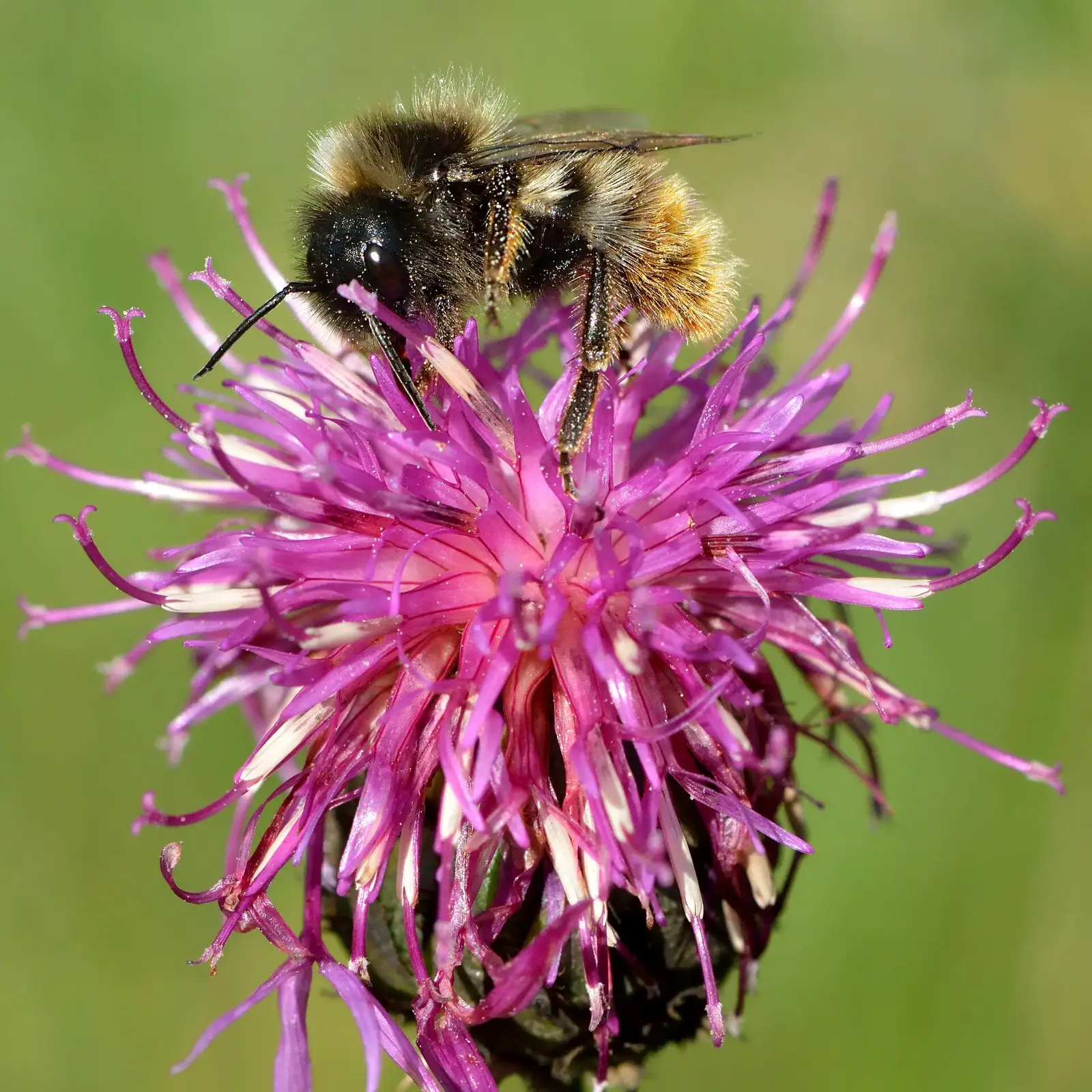
Many crops depend partly on animal pollinators; see our article on insect decline.
Soil health
Erosion and degradation reduce long-term productivity.
Fisheries
Direct exploitation of wild fish stocks and aquaculture impacts on coastal ecosystems.
Frameworks to prioritise
SBTN’s first land and freshwater targets are highly relevant, as is ESRS E4 for EU reporters. TNFD has published additional sector guidance for food and agriculture; check tnfd.global for the latest version.

Get in touch
See what nature intelligence can do for your reporting
Tell us about your company, your reporting obligations and where you are on your nature journey. We will get back to you by email.